






Description
Cardboard Frozen Food Boxes For Everyday Food Brands
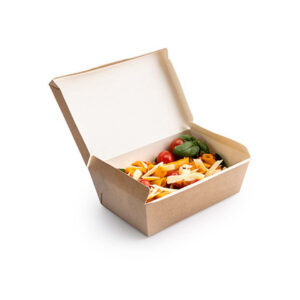
Many sellers arrange frozen meals, precooked dishes, and fridge-ready items in Cardboard Catering Trays so these packs can be grouped with frozen cartons within one coordinated packing system. Cardboard frozen food boxes help products stay stable as temperatures drop, and they reduce moisture-related warping that can happen during freezer storage.
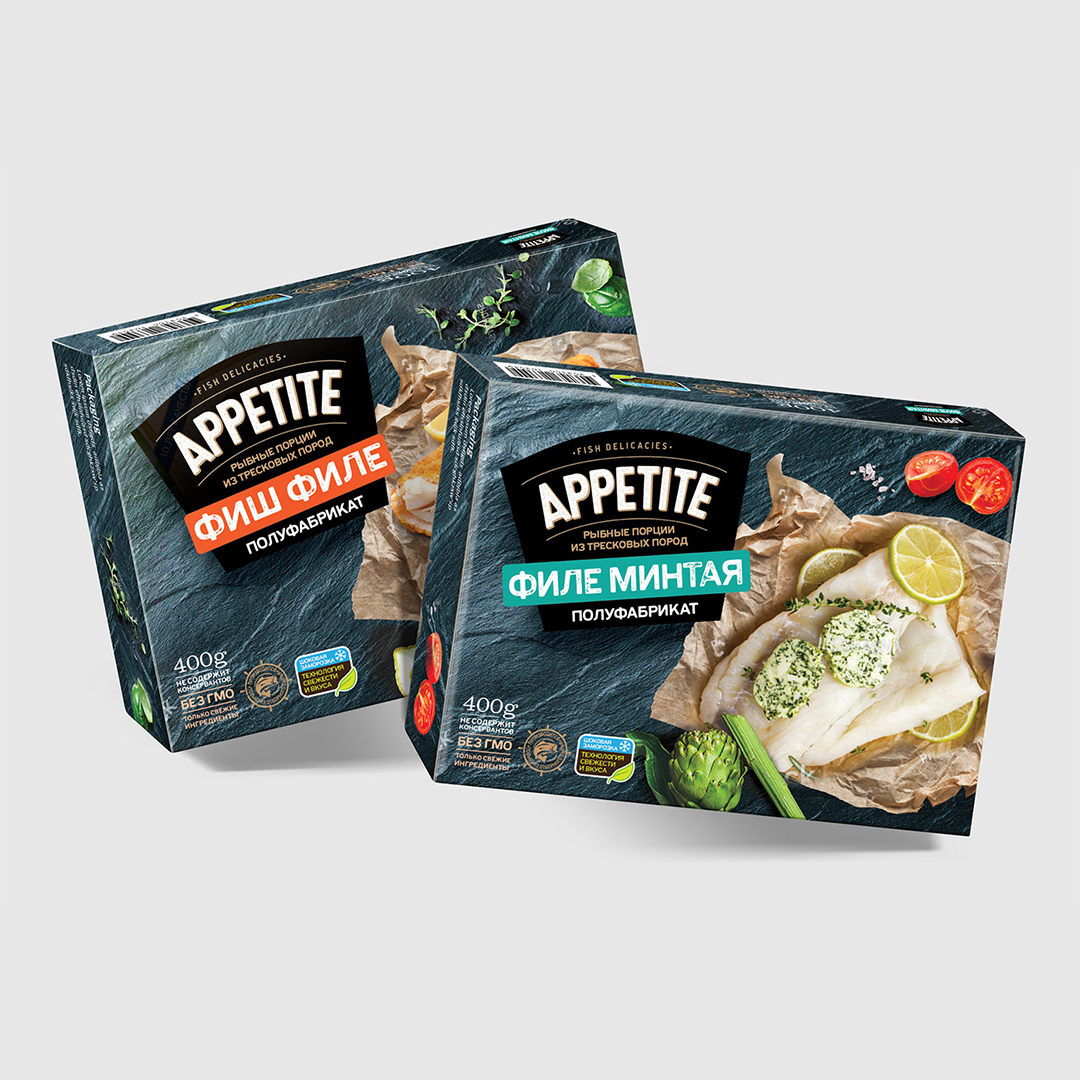
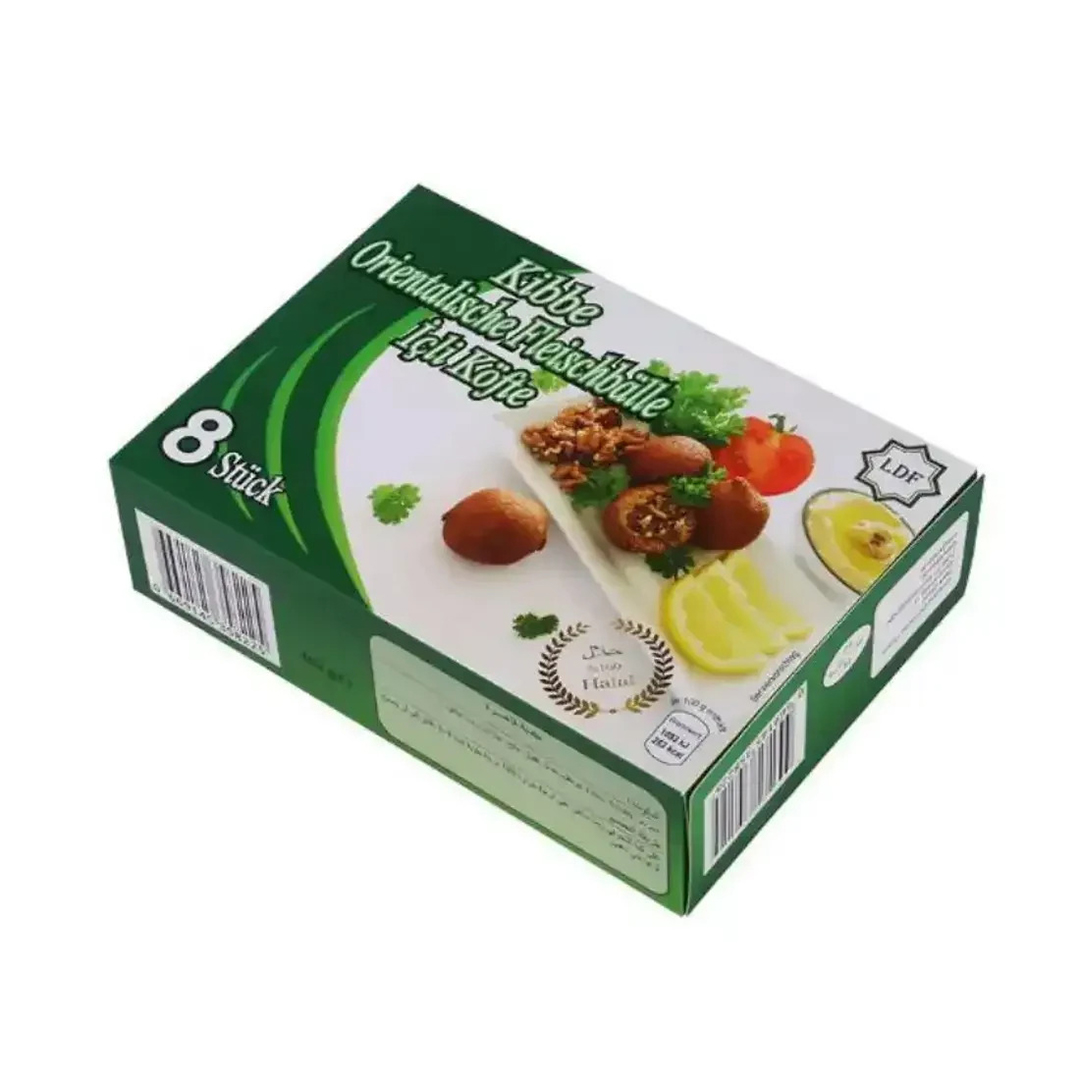
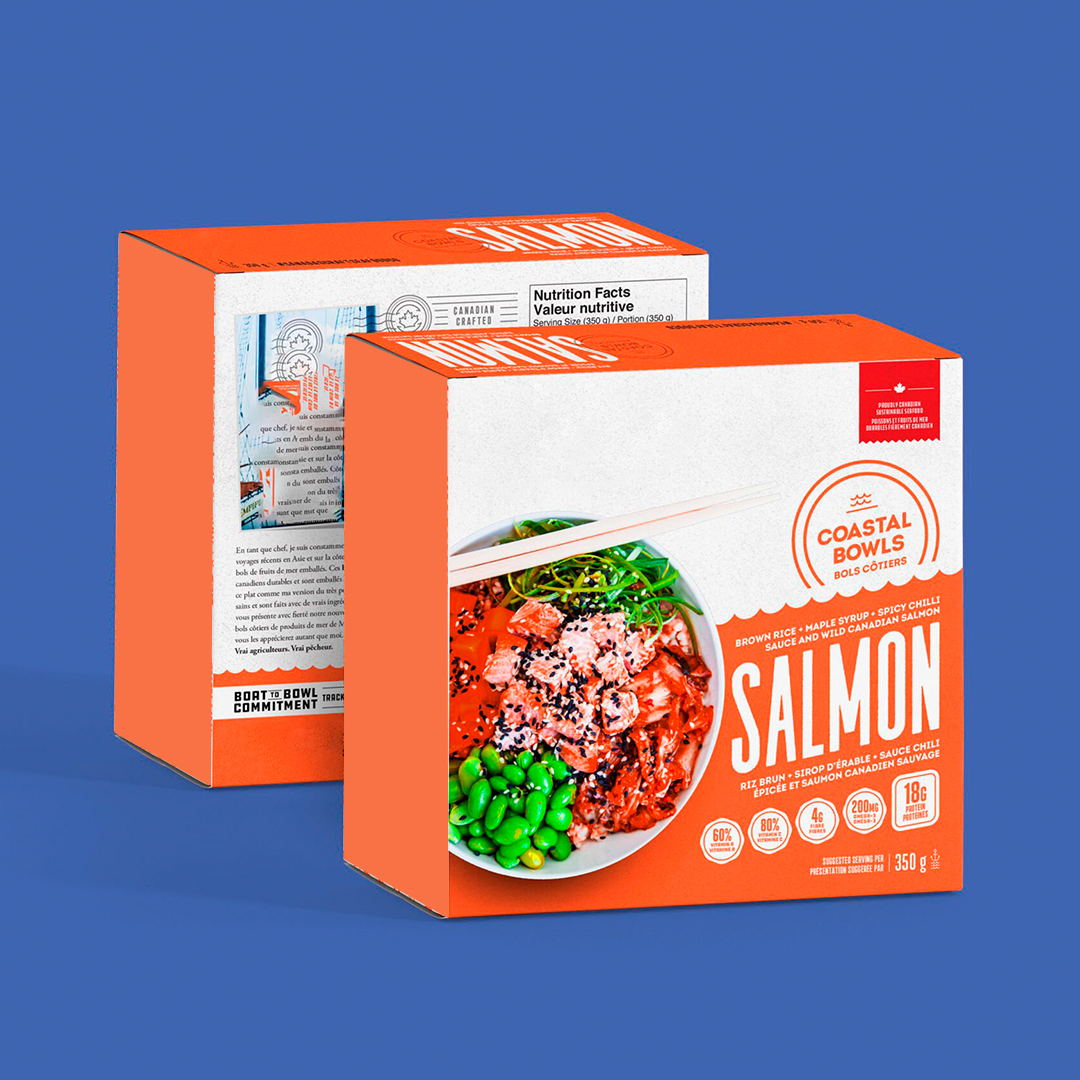
These boxes are used for frozen vegetables, ready meals, fish portions, chicken cubes, frozen snacks, dumplings, patties, and frozen desserts. Firm walls reduce crushing during stacking, and the surface supports printed product labeling. Larger cardboard frozen food boxes are used for bulk freezer stock where multiple units are stored together while keeping product themes separated.
How Frozen Food Boxes Support Organized Cold Storage
Frozen storage becomes easier when each carton holds its shape and stacks evenly in cold conditions, because stable panels reduce leaning, corner crushing, and shifting inside freezer racks. When boxes stay square, staff can place them in straight rows, keep facing consistent, and avoid gaps that cause packs to slide forward or tilt during restocking.
Cold Storage Handling Points
- Supports deep-freeze storage
- Helps retain product shape
- Provides print-friendly surfaces
- Reduces moisture impact
- Allows loading into freezer racks
- Helps staff arrange bulk stock
- Reduces damage during movement
- Keeps labeling readable on shelves
| Feature | Purpose | Material | Finish | Application |
|---|---|---|---|---|
| Moisture-resistant walls | Helps limit shape changes | Solid cardboard | Matte | Frozen snacks |
| Deep box layout | Holds multiple portions | Kraft board | Smooth | Ready meals |
| Tight-fold corners | Helps reduce gaps | SBS | Soft matte | Frozen meat |
| Print-friendly top | Supports clear labels | Rigid card | Gloss | Retail freezers |
Cardboard Frozen Food Boxes Wholesale For Retail Chains
Many retail handlers plan frozen and chilled ranges together within broader groups under Food Related Cardboard Boxes so freezer sections follow consistent carton sizes and layouts across product types. High-volume sellers use cardboard frozen food boxes wholesale to keep pack formats consistent across frozen categories and to support repeat ordering without frequent format changes.
Frozen food boxes with firm structure help limit pressure marks caused by upper stacking in commercial freezers. These cartons are handled in bulk for frozen vegetables, fries, nuggets, meat strips, seafood portions, and dessert slices. For seasonal ranges, carton sizes and layouts can be adjusted while keeping the same general format so stock remains organized.
Why Stores Use Bulk Frozen Food Packaging Boxes
Freezer aisles require cartons that keep their shape under very cold temperatures, repeated stacking, and frequent handling by staff and shoppers. The carton needs firm panels that do not bow, edges that stay aligned on shelves, and corners that resist crushing when boxes are packed tightly in display freezers.
Bulk Freezer Aisle Points
- Manages stacking pressure
- Helps reduce box collapsing
- Keeps packs aligned in freezers
- Supports clear label areas
- Allows loading into display freezers
- Reduces crushing under heavier stacks
- Supports inventory rotation steps
- Keeps shelves arranged and readable
| Type | Capacity | Board Quality | Finish | Usage |
|---|---|---|---|---|
| Large freezer box | Multi-pack | Thick cardboard | Matte | Frozen meals |
| Standard frozen box | Regular | Kraft board | Smooth | Vegetables |
| Bulk shipment box | High volume | Corrugated | Semi-gloss | Wholesale |
| Deep cavity box | Chunky portions | SBS | Natural | Frozen mixes |
Frozen Food Packaging Boxes At Shop Cardboard Boxes
Food companies use structured ranges under Custom Cardboard Boxes to keep frozen packaging consistent across product lines ranging from ready meals to frozen snacks. Frozen food packaging boxes help keep labeling clear, manage moisture absorption, and support stacking for large cold storage units.
Frozen food packaging for smaller operations often needs lightweight cartons that still hold shape in long transport and deep-freeze pressure. Reference sizes and board combinations available through Shop Cardboard Boxes can be used as a starting point when matching cartons to frozen product formats. These boxes allow space for branding panels, nutritional details, ingredient lists, and handling instructions so product information stays easy to read at the point of purchase.
Why Printed Frozen Food Boxes Support Clear Selection
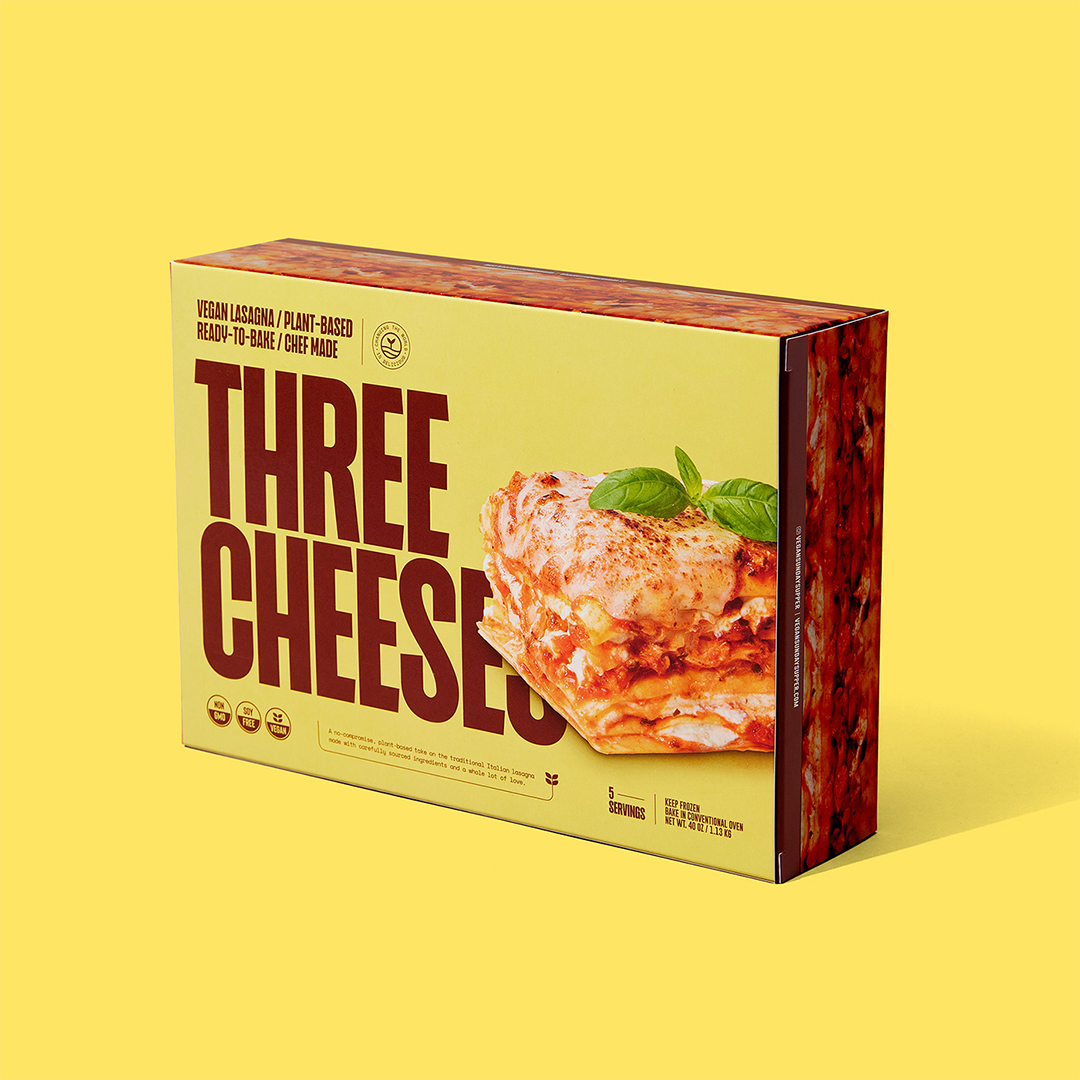
Printed panels help shoppers identify products when freezer sections contain many similar packs by keeping key details easy to spot at a glance. Clear product names, flavor cues, portion size, and storage icons can be placed in consistent zones so customers can compare options without turning every box.
Shelf Labeling Points
- Allows clearer product categories
- Supports flavor marking areas
- Provides space for storage notes
- Keeps freezer shelves easier to scan
- Makes nutritional data readable
- Helps product comparison at a glance
- Keeps product information consistent
- Supports uniform pack layouts
| Area | Print Type | Material | Finish | Purpose |
|---|---|---|---|---|
| Front panel | Full-colour | White board | Gloss | Freezer display |
| Side panel | Text detail | Kraft | Matte | Storage info |
| Top panel | Flavor marking | SBS | Smooth | Checkout handling |
| Back panel | Content list | Rigid card | Natural | Product details |
Large Cardboard Frozen Food Boxes For Bulk Stocking
Large cardboard frozen food boxes are used for higher-volume frozen products where multiple units are stored together. These cartons hold multi-portion packs without the outer structure folding inward. Reinforced walls help reduce pressure marks caused by stacking and keep cartons aligned within freezer shelves and storage racks.
For shipping and bulk distribution, cardboard frozen food boxes in bulk support longer transport routes with stronger structure. Commercial frozen food systems rely on consistent sizes for palletising, warehouse rotation, and freezer docking. Large cartons also support mixed frozen assortments where multiple cuts or flavors are grouped under one label while remaining separated inside.
Benefits Of Using Large Frozen Food Boxes For Freezer Management
Bulk Stock Handling Points
- Supports heavier stacking loads
- Allows wider inner spacing
- Helps reduce freezer denting
- Supports pallet handling steps
- Supports long-distance cold transport
- Reduces internal product movement
- Helps organize mixed frozen units
- Reduces damage during unloading
| Size | Depth | Material | Finish | Use |
|---|---|---|---|---|
| Medium | Standard | Cardboard | Matte | Retail frozen food |
| Large | Deep | Rigid card | Soft matte | Bulk stock |
| XL | Wide | Corrugated | Semi-gloss | Distribution |
| Family pack | Oversized | Solid board | Smooth | Multi-pack meals |
Custom Frozen Food Boxes With Freezer-Safe Design
Custom frozen food boxes are used to control sizing, panel layout, and printed information for frozen product ranges. These designs can be planned for frozen seafood, frozen desserts, dumplings, patties, and mixed meal kits. Layout planning helps match freezer depth, stacking height, and labeling space while keeping outer dimensions practical for store fixtures and shipping cartons.
Freezer-safe planning often includes thicker board options that hold shape under cold stress. Cartons remain stable when customers carry them in freezer bags or store them for longer periods. With proper structural planning, packs stay easy to identify and remain consistent across long storage cycles.
How Custom Designs Help Frozen Food Brands
Custom layouts help standardize carton formats across different frozen product categories.
Format Control Points
- Supports consistent panel layouts
- Supports multi-portion meal formats
- Allows clear printing zones
- Helps control freezer space use
- Uses stronger board grades
- Keeps labeling readable in storage
- Maintains carton shape in stacking
- Supports a wide range of frozen items
| Design Type | Material | Depth | Finish | Best For |
|---|---|---|---|---|
| Multi-portion box | Cardboard | Deep | Matte | Meal kits |
| Seafood box | SBS board | Standard | Gloss | Frozen fish |
| Dessert pack | Rigid card | Smooth | Soft matte | Frozen sweets |
| Combo freezer box | Kraft | Reinforced | Natural | Mixed frozen foods |