





Description
How Cardboard Meal Prep Boxes Support Meal Organization
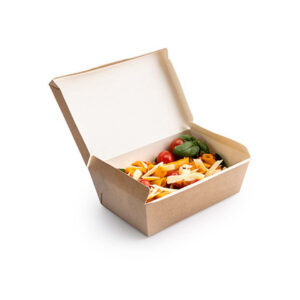
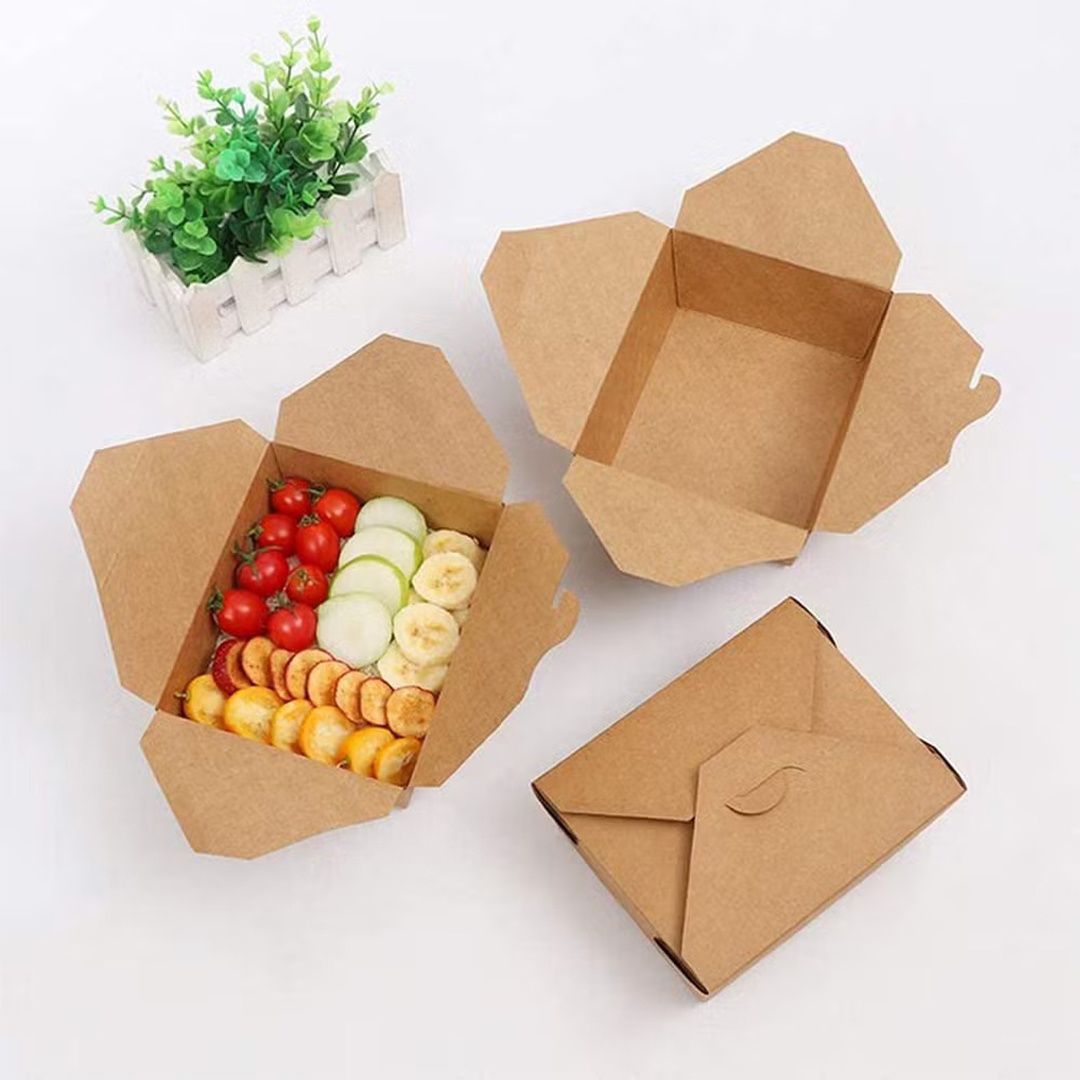
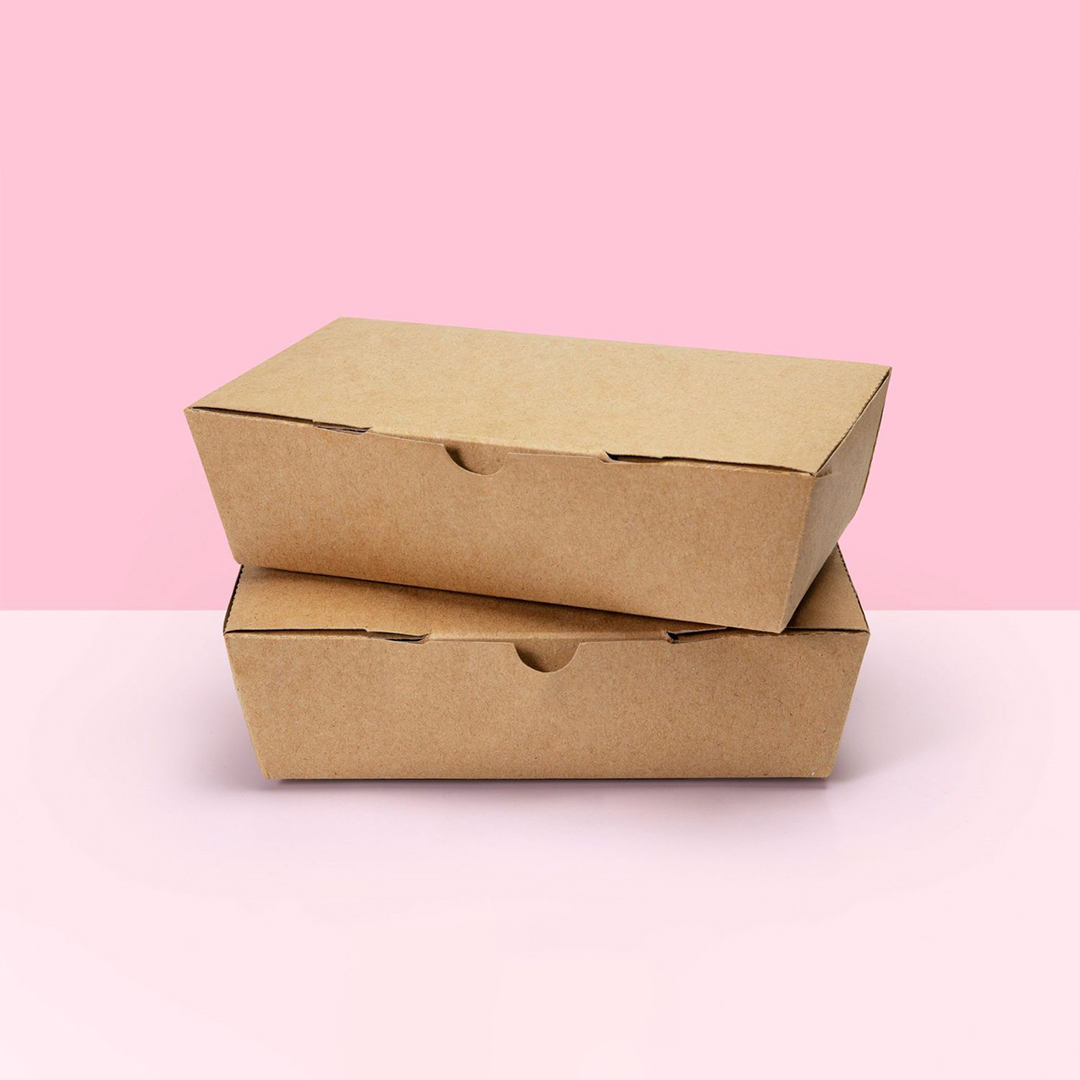
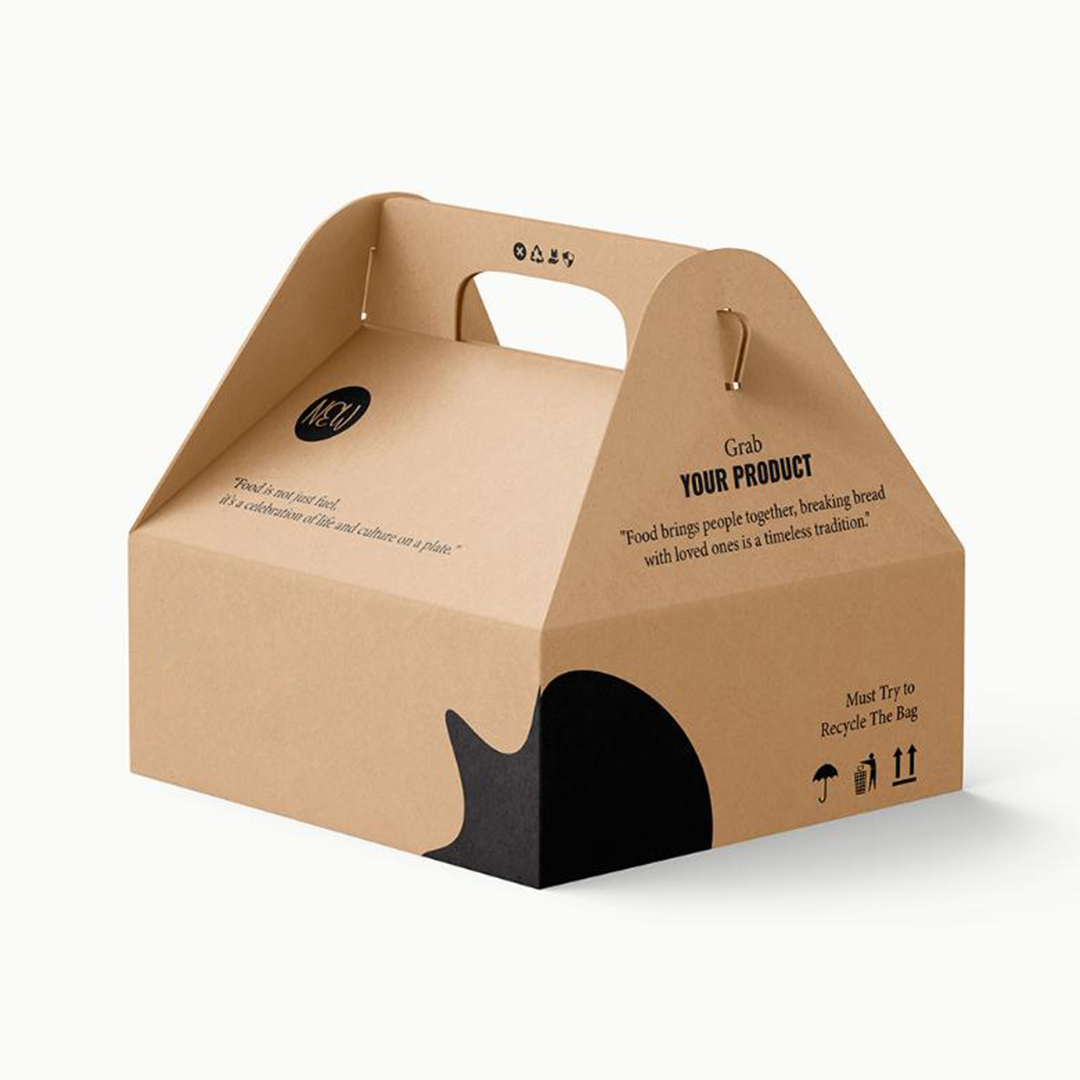
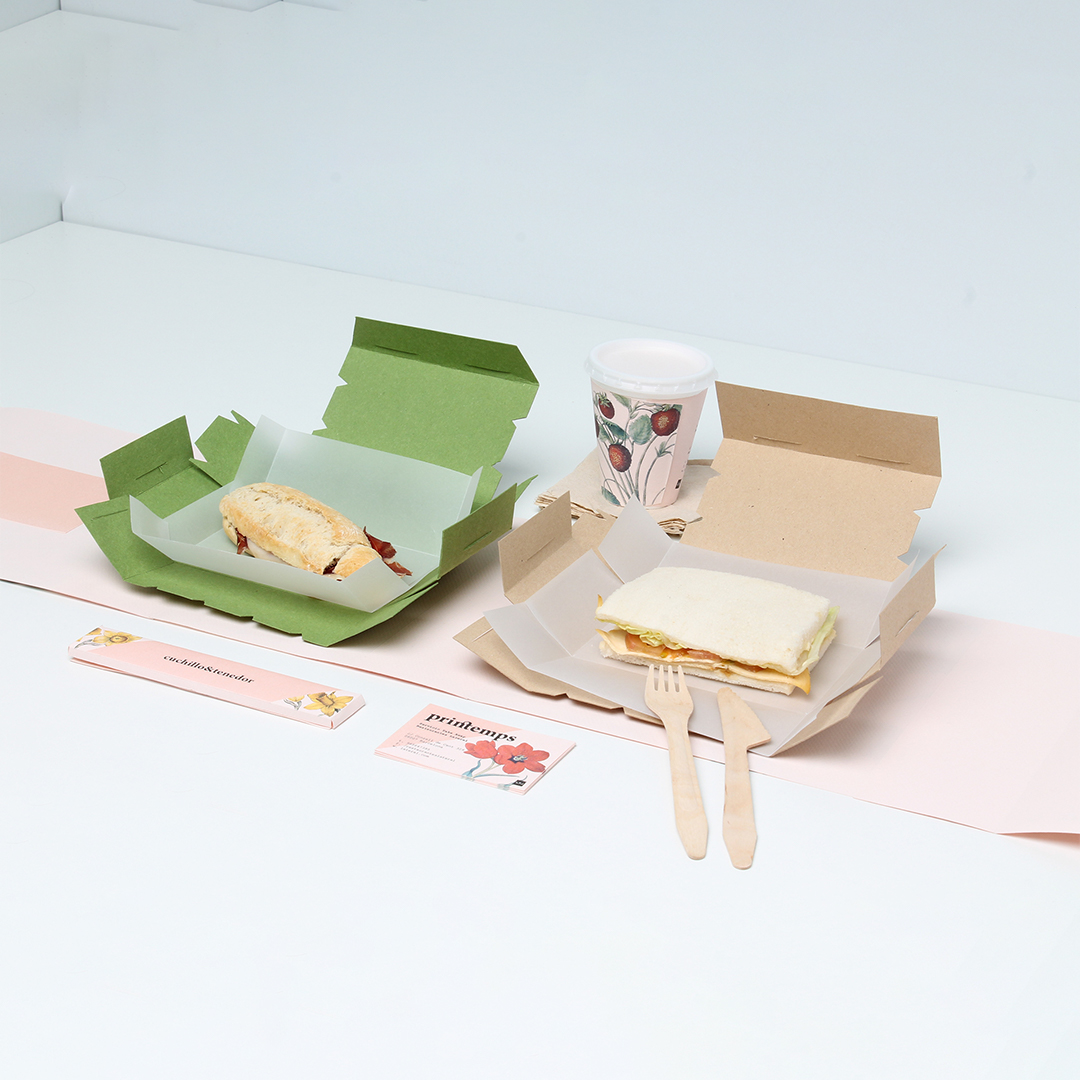
Cardboard meal prep boxes help food businesses organize meals, store ingredients, and deliver ready-to-eat food with consistent alignment. Firm board walls help keep contents contained, limit moisture spread, and support planned meal packing for weekly schedules. These boxes keep portions separated and can support reheating routines when needed. Larger formats can hold multi-portion meals for fitness plans, office lunches, and home delivery.
Brands that run daily or weekly schedules often use packaging that stays consistent across menu changes. Cardboard meal prep boxes support labeling, stable stacking, and portion setups for different dietary plans. Their structured build helps reduce shifting inside delivery bags and keeps meal arrangement consistent from kitchen to doorstep. This format can be used by small meal prep kitchens and higher-volume subscription services.
Cardboard Meal Prep Boxes For Daily Meal Services
Meal prep services need packaging that keeps dishes separated, stays balanced during delivery, and supports consistent presentation across a changing menu. Some brands use Cardboard Noodle Boxes alongside meal prep formats to keep soups, noodles, and portioned meals aligned under the same visual and material standard. The structured layout helps organize ingredients like rice, vegetables, meat portions, pasta, and salads without mixing inside the box. This is helpful when one order includes multiple meal types packed together.
Food businesses offering weekly meal plans also need packaging that handles refrigeration, short reheating, and transport without losing shape. Cardboard meal prep boxes provide workable surface layouts, multi-size portion options, and steady walls that keep meals centered inside. This supports early-batch packing and measured serving control for daily or weekly customers. The result is a more consistent packing workflow for kitchens and a more uniform handoff for customers.
Daily Service Advantages
- Keeps food portions aligned
- Helps limit leakage risk
- Supports multiple compartment design
- Allows stacking in delivery bags
Operational Handling Points
- Helps staff load large orders faster
- Keeps meals stable during movement
- Supports temperature control routines
- Maintains meal arrangement at arrival
| Feature Focus | Description | Material Options | Surface Finish | Extra Elements | Typical Usage |
|---|---|---|---|---|---|
| Portion stability | Balanced interior support for set meals | Cardboard, SBS | Matte, Smooth | Divider inserts | Daily meal services |
| Deep capacity | Supports larger servings and layered meals | Kraft, Strong board | Natural, Gloss | Reinforced base | Weekly meal plans |
| Heat-friendly base | Supports short reheating with firm structure | SBS, Coated board | Smooth | Grease-resistant lining | Warm meals |
| Separation control | Keeps mixed ingredients organized | Kraft, Thick board | Matte, Gloss | Custom compartments | Mixed dishes |
Cardboard Meal Prep Boxes With Lids For Safe Transport
Meal prep services deliver food that needs coverage from moisture changes and shifting contents inside delivery bags. Some brands align this category with Food Related Cardboard Boxes to keep meal prep, snacks, salads, and bakery items consistent in one packaging family. Lid-top formats help cover food securely, reduce exposure, and keep portions stable during transportation. This supports single-meal orders and multi-meal bundles.
Boxes with lids also help businesses manage refrigerated storage, shelf placement, and delivery batching with clearer organization. Sealed tops help keep meals covered and easier to carry. These boxes support different serving styles, including low-carb meals, high-protein dishes, and balanced portion options. The closure format supports subscription programs and office meal deliveries.
Why Lid-Based Meal Prep Boxes Support Handling
Secure lids help keep food covered during movement and short storage cycles. A stable top surface can reduce compression on food layers and limit sauces or moisture spreading across compartments. This supports meals that include mixed textures such as grilled items, rice bowls, and salads. It also helps kitchens keep packing steps consistent during peak service hours.
For delivery teams, lid-based formats help limit spills and support stacking inside delivery bags. The closed fit supports labeling and keeps calorie, ingredient, and dietary information visible on arrival. This supports meal programs where printed meal details are used for selection and tracking. The overall arrangement remains consistent during longer routes.
Lid-Based Protection Benefits
- Helps limit moisture escape
- Helps control odor mixing
- Supports stacking
- Keeps meals covered in delivery bags
Labeling And Transit Points
- Helps manage multiple meal types in one order
- Provides a stable top surface for labels
- Keeps sealed formats consistent for packing routines
- Helps reduce damage during transit
| Feature Focus | Description | Material Options | Surface Finish | Extra Elements | Typical Usage |
|---|---|---|---|---|---|
| Lid security | Tight closure for hygiene and stability | Kraft, SBS | Matte, Natural | Lock tabs | Daily deliveries |
| Depth options | Supports heavier and layered meals | Rigid card, Strong board | Smooth | Deep walls | Fitness meals |
| Visibility add-on | Optional window for counter display | SBS, Coated board | Gloss | Window cut | Retail meal counters |
| Batch handling | Supports multi-meal packing | Cardboard | Matte | Label zones | Weekly plans |
Meal Prep Packaging Options For Balanced Menus
Meal prep companies often use multiple designs for mixed dishes, reheatable meals, and structured food storage. Some kitchens align their broader menu packaging with Cardboard Boxes to keep labeling and portion sizes consistent across the full range. This helps sellers manage food combinations like rice bowls, grilled items, salads, breakfast meals, and dinner portions with one material direction. It also supports inventory control when several box sizes are used together.
Cardboard food containers with lids can include labeling zones where calories, ingredients, and dietary notes are printed clearly. When formats are planned carefully, customers can carry meals to work, school, and events with reduced spill risk and reduced flavor mixing. This supports subscription services and repeat ordering routines. In these cases, packaging becomes part of the meal planning process rather than only an outer cover.
Why Printed Meal Prep Boxes Support Identification
Printed layouts help identify meal categories without opening the package. Consistent color cues and icon use can help differentiate breakfast, lunch, dinner, and dietary variants. This also supports retail teams when placing products in the correct shelf sections. The result is clearer sorting for customers and fewer packing mix-ups for kitchens.
Branding space on meal prep boxes can hold menu details without overcrowding the design. When labels, icons, and portion cues are placed with clear spacing, customers can match meals to the printed details more easily. This is useful for calorie-counted plans and fitness-focused services. Over time, consistent printed layouts help keep the range organized across multiple menu cycles.
Customer Clarity Benefits
- Clear labeling for quick selection
- Layout patterns for menu groups
- Supports multiple portion styles
- Helps customers identify meal types
Operational Consistency Points
- Supports subscription meal planning routines
- Supports shelf arrangement for retail meals
- Keeps range layout consistent across sizes
- Helps maintain uniform presentation across menus
| Feature Focus | Description | Material Options | Surface Finish | Extra Elements | Typical Usage |
|---|---|---|---|---|---|
| Label zones | Space for calories and ingredients | White board, SBS | Gloss, Smooth | QR/Batch areas | Retail meals |
| Side panels | Menu color systems by category | Kraft | Matte | Icon sets | Meal plans |
| Top branding | Clear brand visuals for delivery | SBS, Cardboard | Smooth | Tamper cues | Home delivery |
| Divider support | Separation for mixed dishes | Strong card | Natural | Insert trays | Mixed menus |