
Cardboard Coffee Packaging Boxes

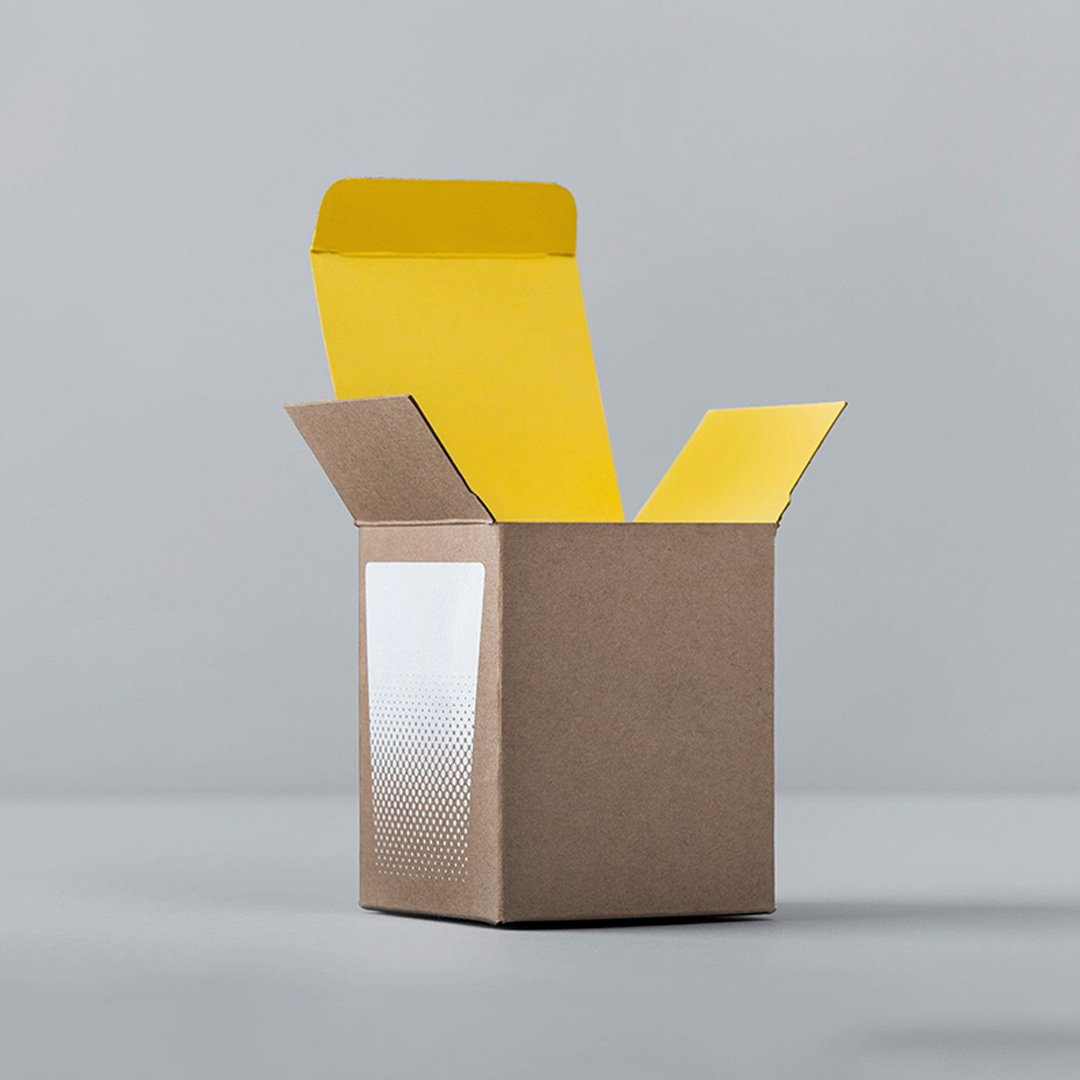
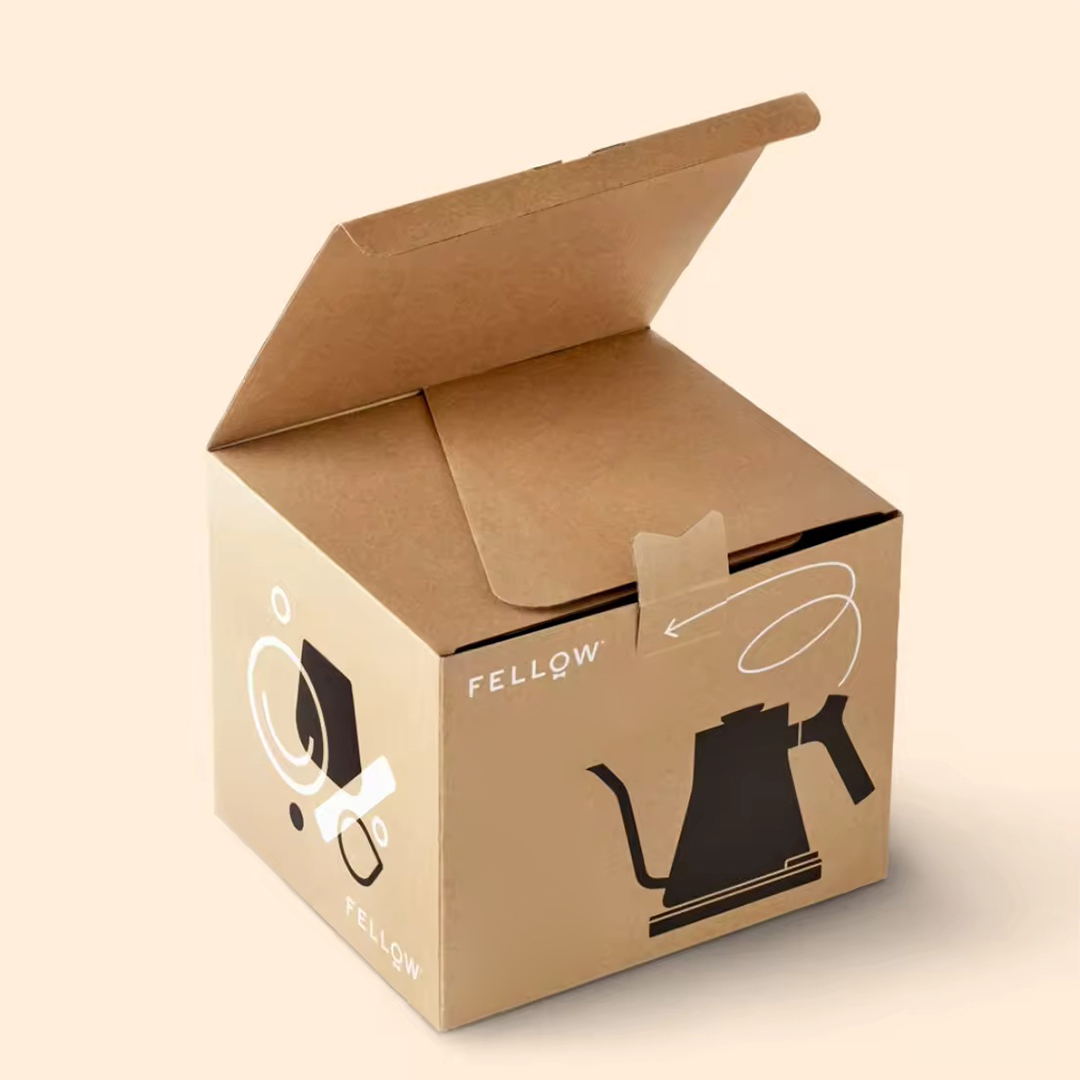
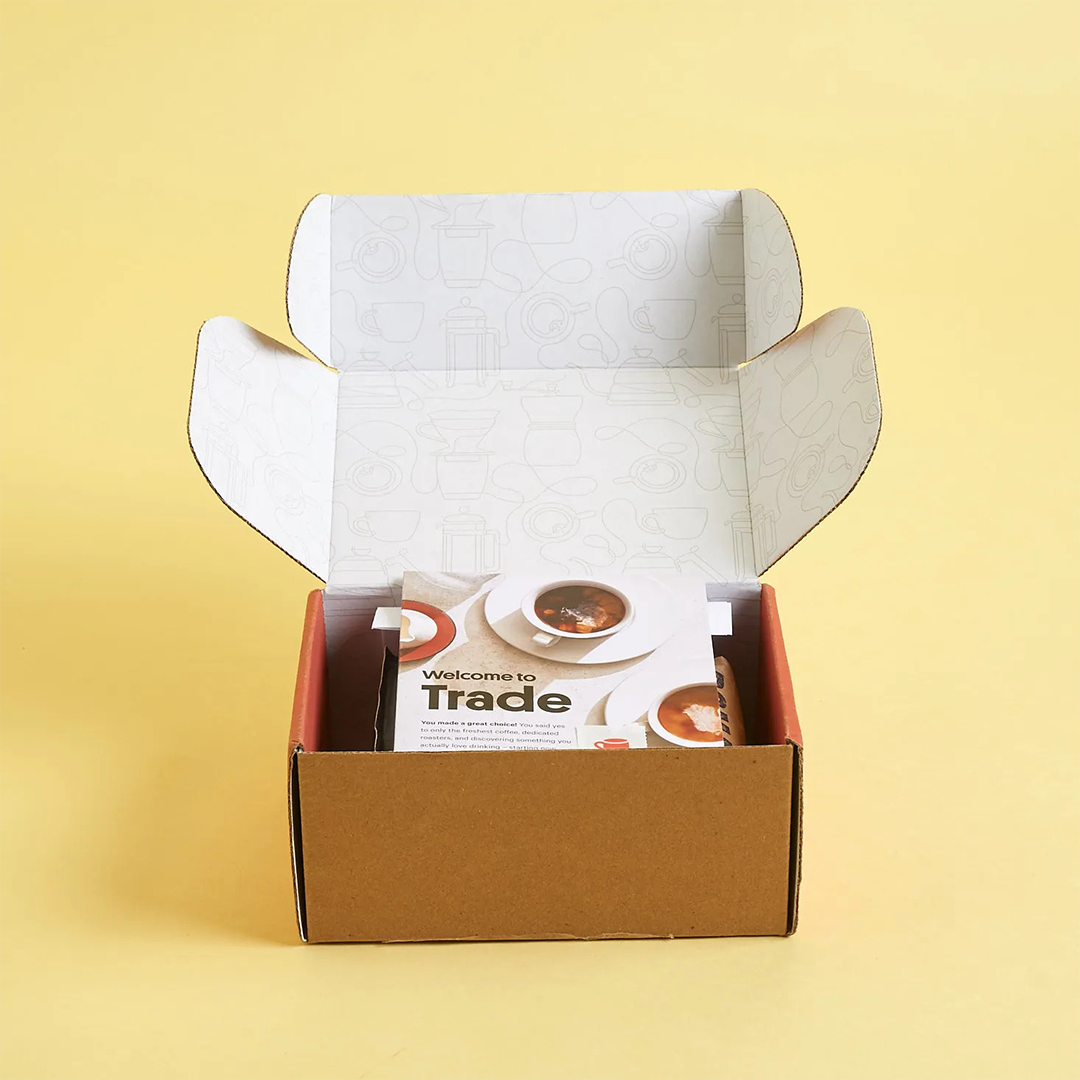
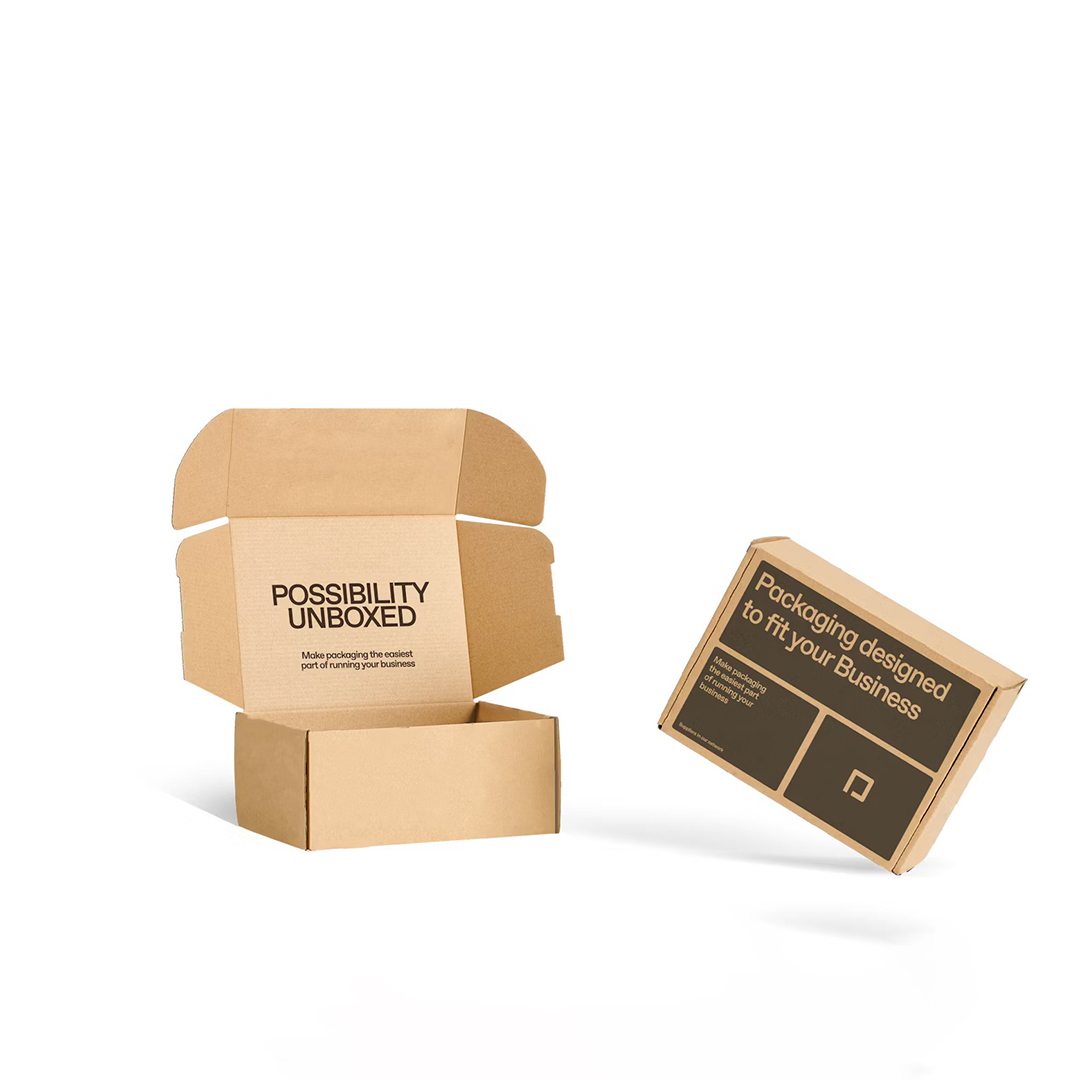
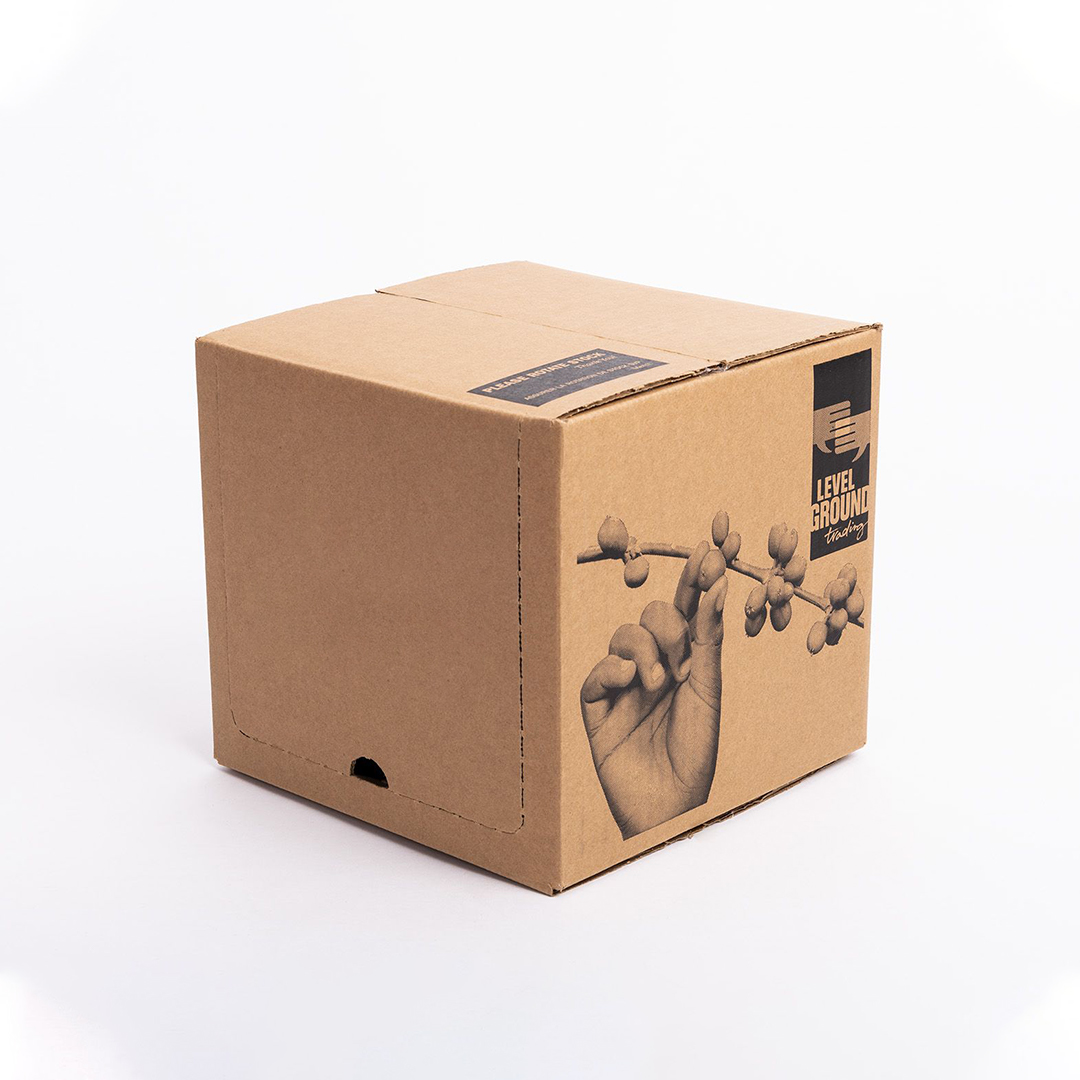
Cardboard coffee packaging boxes help roasters protect aroma, stabilise pouches and present each blend in a clear, organised layout from roastery to retail shelf. Many brands coordinate their coffee cartons through Shop Cardboard Boxes so box sizes, board grades and print quality stay aligned across blends, gift sets and subscription orders. These cartons support valve bags, batch coding and strong front-facing branding while remaining easy for staff to stack in shippers and on display. With the right combination of board strength and surface finish, the same core structure can carry everyday blends, single-origin lines and seasonal editions without constant redesign. This balanced approach helps operations stay efficient while giving customers packaging that feels consistent and trustworthy.

Description

Cardboard coffee packaging boxes for modern brands

Cardboard coffee packaging boxes help modern roasteries present roast beans, flavored blends, and café products in a clean, secure, and organised way. In many product ranges, packaging for items such as Cardboard Liquor Gift Boxes and coffee cartons is developed with similar stability and shelf presence so the overall look stays consistent across drinks, gourmet items, and takeaway products. These boxes stay firm in storage, support inner freshness bags, and provide enough space for branding, labels, and brewing information in a layout that is easy to read. They suit independent coffee shops, regional roasters, and larger manufacturers that all need stable packaging for everyday handling.

How cardboard coffee cartons protect aroma and freshness

Coffee loses quality when exposed to light, moisture, and air for long periods, so the outer carton must work together with the inner freshness system instead of replacing it. A well-designed cardboard shell holds the valve bag or pouch in position, shields it from scuffing, and absorbs minor impacts that might otherwise dent corners. When boxes are sized correctly, there is enough room for the pouch to sit comfortably without empty spaces that crush under weight, which helps keep the outer shape tidy in storage and during transit.

The box also influences how customers judge care and quality at first glance. Straight edges, accurate folds, and smooth panels support clear printing so labels stay readable and barcodes scan reliably in busy retail environments. When cartons stand upright and faces remain flat, coffee looks organised and deliberate rather than loosely packed. This blend of protection and presentation turns cardboard coffee packaging boxes into a key part of quality control for wholesale, direct-to-consumer, and café service channels.

Key packaging benefits for modern coffee roasters

  • Supports a wide range of coffee pouch weights and formats
  • Smooth exterior panels suitable for detailed artwork and branding
  • Helps maintain perceived product value through tidy presentation
  • Works alongside inner valve bags, freshness systems, and labels
  • Fits common shelf, shipper, and hamper layouts across channels

Simple steps for packing coffee pouches into boxes

  1. Measure pouch dimensions and choose a carton size that supports the bag without excessive empty space.
  2. Place the filled pouch inside with the valve facing the panel where brewing or profile information will appear.
  3. Fold base and side flaps along pre-creased lines, checking that corners sit straight and aligned.
  4. Close the top in a consistent sequence so all packs face the same way on shelves and in shipping cartons.
  5. Group finished boxes into outer cases, keeping print faces in the same direction for easier stock checks.
Feature focus Description for coffee pack handling Material options used for coffee boxes Surface finish choices for print and feel Extra elements that support coffee brands Typical usage within coffee and food channels
Structural strength Holds filled coffee pouches upright and protected Kraft, SBS, recycled board combinations Matte, gloss, or soft-touch overall looks Locking tabs and stable bases Coffee roasters, cafés, specialty food shops
Print capability Supports CMYK or PMS designs and detailed text White board, natural kraft surfaces Spot UV or highlight zones if required Dedicated label and date code areas Retail shelves, subscription boxes, gift assortments
Food compatibility Works in combination with inner freshness bags Food-contact appropriate substrates Anti-scratch or rub-resistant coatings Optional viewing windows to show pouch or beans Grocery aisles, online fulfillment, tasting kits and samplers

Cardboard coffee packaging boxes wholesale options for growth

As coffee businesses grow, they often move from a few ad-hoc box sizes to a structured range that supports multiple weights, blends, and distribution channels. Cardboard coffee packaging boxes wholesale programs allow roasters to order repeat runs with consistent printing, board grades, and cutting patterns throughout the year. In planning sessions, these cartons are often discussed together with other ranges, including Food Related Cardboard Boxes, so coffee packaging fits comfortably alongside snacks, syrups, biscuits, and similar gourmet items in gift sets and retail displays. Wholesale planning also links artwork updates to seasonal promotions and limited-edition releases in a controlled way.

Roasters that handle multiple product types often want coffee cartons to coordinate with other pack formats as well. Cardboard coffee boxes frequently appear in hampers and mixed gift boxes together with tea, cocoa, and other pantry items, so they need to be dimensionally compatible with standard shippers and display units. When coffee boxes are treated as part of a wider family of coordinated cardboard packaging, a modular system develops where the same outer dimensions can support different fillings over time. This approach reduces complexity in ordering, stock management, and freight planning while still giving designers space to differentiate blends, origins, and sub-ranges through artwork.

How wholesale coffee box ranges support roastery expansion

A planned wholesale range makes it easier to launch new blends without redesigning packaging from the beginning each time. Once a set of core box footprints is in place, the roastery can assign each size to particular weights, grind types, or product roles such as retail shelf, subscription mail-out, or gift set component. Artwork can then be built on these fixed shapes using shared grids for logos, names, tasting notes, and brewing icons. This keeps the visual language consistent across the entire line while still leaving room for variation where needed.

Wholesale planning also supports practical needs such as packing efficiency and supplier coordination. When print runs are scheduled around annual peaks and product calendars, materials and finished cartons are more likely to be ready exactly when required. Ongoing communication with the packaging supplier helps maintain colour matching, board performance, and die-cut accuracy. Over time, information about damage rates, customer feedback, and sales patterns can feed into adjustments in board grade, coating choice, or closure style, strengthening the packaging without disrupting daily operations.

Common customisation requests from coffee packaging buyers

  • Box depths tuned for different pouch heights and valve positions
  • Alternate closures for retail shelves, hampers, and subscription mailers
  • Window options to reveal either the inner bag or whole-bean texture
  • Consistent branding layout across multiple weight and blend variants
  • Space reserved for roast date, batch code, and regulatory information

Planning steps for a consistent coffee box size range

  1. List all coffee products by weight, grind, and route to market, then group them into logical families.
  2. Choose a compact set of carton footprints that can cover each family with minimal overlap.
  3. Match board strengths to heaviest expected fills and stacking heights during storage and shipping.
  4. Create shared artwork templates that define logo zones, text blocks, and icon positions on every size.
  5. Test sample runs through roasting, packing, and distribution, then refine dimensions or grades as needed.
Feature focus Description within wholesale coffee programs Material options suitable for batches Surface finish guidance for branding Extra elements that support flexible use Typical application across roastery operations
Range flexibility Custom shapes and depths across a small set of sizes Brown kraft, coated SBS, recycled mixes Soft matte or balanced gloss finishes Window panels or cut-outs where required Coffee shops, regional roasters, online sellers
Branding area Large front faces to carry story and key visuals Premium SBS or smooth kraft surfaces Gloss for strong colour, matte for subtle Tear notches, pull tabs, and structured side panels Supermarkets, boutique retailers, curated gift sets
Wholesale runs Bulk batches scheduled around roasting calendars Recycled and virgin board combinations Matte for frequent handling environments Serial printing, internal coding, batch identifiers Long-term retail programs, seasonal coffee campaigns

Cardboard coffee packaging boxes for branding and shelf impact

Coffee buyers often make decisions quickly at the shelf or on a product page, so packaging must support both recognition and detailed comparison. Cardboard coffee packaging boxes present roast strength, flavor notes, and key quality cues in a format that customers can scan in a short time. When cartons line up neatly, each panel becomes part of a wider visual story for the brand, helping shoppers find their preferred blend or origin without confusion. This is especially useful when multiple roasts, grinds, and limited editions share the same shelf space.

Because the box carries so much information, layout choices matter. In many ranges, layout rules follow proportions that are already familiar from standard sizes in the Shop Cardboard Boxes range, so typography, colour accents, and icon systems remain consistent from one blend to the next. Clear typographic hierarchy guides the eye from brand name to roast level, then to brief tasting notes and brewing guidance. Colour-coding systems can separate signature blends, single-origins, decaf, and seasonal releases within one design language. When cardboard coffee packaging boxes use stable structures that keep panels flat and edges straight, this visual hierarchy remains effective even after repeated handling on store shelves, in cafés, and in home kitchens.

How coffee carton design shapes customer decisions and loyalty

Thoughtful design helps customers compare products quickly and remember which coffee they enjoyed previously. Icons and short descriptors summarise complex details like origin, process, and flavour profile without overwhelming the pack. Side panels can carry longer story text about sourcing, roasting methods, or sustainability commitments, while top and bottom flaps handle practical details such as grind type or preparation method. This division of content keeps the main front panel calm and legible while still giving interested customers more depth to read.

The same design system also supports digital sales and photography. When cartons maintain strong contrast and clear text, product images translate effectively onto websites and social media. Consistent front-panel structure across the range means that online shoppers can recognise their favourite blend quickly even in a dense grid of thumbnails. For subscription and gifting, aligned artwork across multiple boxes makes curated selections feel cohesive and carefully planned rather than assembled at random.

Branding elements that coffee roasters commonly include

  • Logos and product names in stable, easy-to-read front-panel positions
  • Roast profile indicators using scales, icons, or short descriptive phrases
  • Brewing method symbols for espresso, filter, immersion, or cold brew
  • Colour bands or accents to separate blends, single-origins, decaf, and seasonal lines
  • Short descriptors that highlight key flavour impressions and strength levels

Reasons cardboard coffee boxes support retail and shipping

  1. Square, stable shapes stack reliably in store fixtures, shippers, and pallets.
  2. Strong closures protect inner bags while remaining easy for staff and customers to open.
  3. Straight panels give predictable positions for barcodes and regulatory text, improving scanning.
  4. Durable board and coatings resist scuffing so artwork stays readable during handling.
  5. Shared sizes across the range simplify stock rotation, replenishment, and visual merchandising.
Feature focus Description for branding and shelf performance Material options for visual quality Surface finish choices for brand feel Extra elements that refine presentation Typical usage in coffee branding strategies
Brand visibility Large artwork areas for logos, images, and messages SBS, coated or uncoated kraft Gloss for vivid colour, matte for subtle Colour-coded themes, aligned spine designs Retail counters, specialty displays, online imagery
Flavour coding Layouts that help shoppers identify blends quickly Natural kraft or white coated boards Matte for softer, text-heavy designs Printed icons, strength scales, tasting note badges Coffee subscriptions, gift selections, grocery aisles
Shelf resilience Structures suited to extended display periods Thicker board for long-term use Soft matte to hide minor handling marks Perforated openings or controlled tear sections High-traffic stores, self-serve retail, busy cafés


Feature focus Description based on coffee packaging use Material options used in coffee cartons Surface finish choices that support branding Extra elements that can be added to the box design Usage/Application across coffee and food channels
Structural strength Holds filled coffee pouches upright and controls corner crushing Kraft, SBS, and mixed recycled boards Matte, gloss, or soft-touch outer panels Locking bases, strong sidewalls, reinforced fold points Coffee roasteries, cafés, specialty food stores
Aroma and freshness Works with inner valve bags to shield pouches from light and abrasion Food-contact appropriate corrugated and cartonboard Anti-scratch and rub-resistant coatings Inner support panels, snug fit around valve bags Grocery aisles, subscription shipments, online retail orders
Branding and storytelling Provides open faces for logos, roast notes and brewing icons White board for colour-rich print, natural kraft Smooth matte for text focus, higher gloss for images Dedicated zones for tasting notes, roast scales and icons Retail shelves, gift sets, curated coffee collections
Packing efficiency Folds quickly and stacks neatly in shippers and storage areas Consistent board grades suited to daily packing Practical finishes that resist packing-line handling Clear crease lines, simple closing sequence Roastery packing rooms, warehouse operations, courier preparation
Range flexibility Adapts to multiple weights, grinds and bundle formats Brown kraft, coated SBS, recycled combinations Balanced finishes that suit both premium and core lines Optional windows, alternate heights, interchangeable footprints Everyday blends, single-origins, sample kits, seasonal editions
Multi-category pairing Aligns with other gourmet products in hampers and mixed boxes Matching substrates used for other food cartons Harmonised finishes across coffee and companion items Shared dielines, coordinated artwork themes Gift hampers, tasting sets, mixed gourmet or pantry assortments


1. What makes cardboard coffee packaging boxes useful for roasters

Cardboard coffee packaging boxes give roasters a stable outer shell around valve bags or pouches, so products travel safely from roasting room to retail shelf. The structure keeps packs upright, protects corners and labels, and allows clear branding on every face. This helps maintain quality and presentation even when cartons pass through multiple handling stages.

2. How do these boxes help maintain coffee freshness

The primary freshness work is done by the inner pouch, but the carton supports that system by shielding it from light, scuffing and compression. When cartons are sized correctly, they stop heavy stacks from pressing directly on pouches and valves. This combination reduces damage risk during transport and storage so the coffee reaches the customer in better condition.

3. Why do brands prefer printed cartons instead of plain outer wraps

Printed cartons allow brands to present roast level, flavour notes and brewing guidance directly on the pack instead of relying on separate inserts. A clear layout helps customers compare options more easily on the shelf or online. Over time, consistent artwork across the range also strengthens brand recognition and customer loyalty.

4. How do cardboard coffee boxes support retail shelf organisation

Straight edges and repeatable sizes make it easier for staff to line up boxes in tidy rows and columns. When heights and widths are consistent, front faces stay aligned and labels remain easy to read from a distance. This saves time during replenishment and gives the shelf a more ordered appearance for shoppers.

5. Are these cartons suitable for both whole beans and ground coffee

The same outer carton structure can support whole beans or ground coffee, as long as the inner pouch and fill weight are matched to the chosen size. Roasters simply select appropriate bag materials and sealing methods for each product. The outer box then provides a common framework for branding and logistics across both options.

6. Can one carton range work across multiple coffee weights

Yes, many brands build a small family of carton footprints and reuse them for several weights with careful planning. For example, the same footprint might serve 250g and 300g fills with small internal adjustments. This limits complexity in ordering and storage while still giving enough flexibility for different product formats.

7. How do cardboard coffee packaging boxes fit into gift and hamper sets

Because cartons stack neatly and carry strong front-facing artwork, they work well alongside biscuits, chocolate and brewing accessories in gift sets. Their regular shapes make hamper packing easier, reducing empty gaps that need extra filler. Matching artwork across all components helps the finished set look cohesive and well planned.

8. Are cardboard coffee boxes suitable for online and subscription deliveries

Cardboard coffee boxes are widely used in subscription programs because they stack efficiently in outer mailers and resist minor impacts in transit. The flat faces make it easy to apply shipping labels or insert cards where needed. Customers also appreciate receiving coffee in packaging that feels sturdy and visually consistent month after month.

9. What information should be printed on a coffee carton front panel

Most brands place the name, roast level and key flavour impressions on the front panel where they are easiest to see. Supporting details such as origin, variety and processing method can appear nearby in smaller text. This combination gives quick guidance at a glance while still allowing more depth for interested readers.

10. How do these boxes help staff with stock rotation

Clear panels and consistent size ranges let staff identify blends and roast dates quickly when rotating stock. Side panels can hold batch codes and dates in predictable positions so they remain easy to check during busy periods. This supports better product flow and helps older stock move before newer deliveries.

11. Can the same box style be used across different retail formats

A well-planned box style can function in independent cafés, grocery aisles and online parcels without change. As long as heights and widths respect typical shelf and shipper dimensions, the same core structure can travel between channels. This reduces the need for separate packaging projects for each outlet type.

12. What role does board grade play in coffee carton performance

Board grade influences how well cartons resist crushing, edge damage and repeated handling. Lighter grades may suit small pouches and short distribution routes, while heavier grades support larger fills or extended storage. Selecting the right grade for each product family helps balance protection, appearance and material cost.

13. How do these cartons support sustainable branding messages

Cardboard coffee packaging boxes can be produced from materials that align with many brands’ environmental goals. When combined with clear messaging about sourcing and disposal, they help communicate a more responsible approach. Simple design choices such as controlled ink coverage and practical finishes also support these aims.

14. Are window cut-outs a good idea for coffee packaging boxes

Window cut-outs can be helpful when brands want customers to see pouch design or bean texture. They should, however, be placed carefully so they do not weaken key structural areas or allow too much light onto the product. Many roasters test sample runs to find a balance between product visibility and protection.

15. How can a roastery start standardising its coffee box range

A practical approach is to map all current products, then group them by weight, channel and presentation needs. From there, the roastery can define a limited set of carton sizes that cover those groups without unnecessary duplication. Trial orders and feedback from staff and customers then guide small adjustments before the range is finalised.

Let’s work together

Get in touch today and receive a complimentary consultation.