





Description
Custom Collapsible Cardboard Boxes For Brands
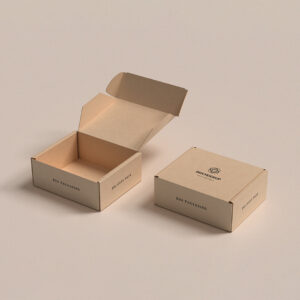
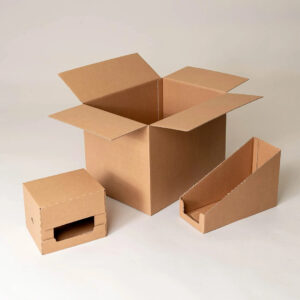
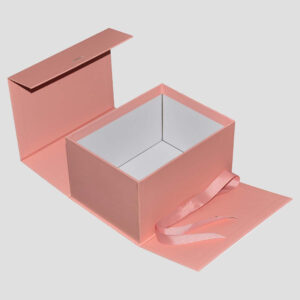
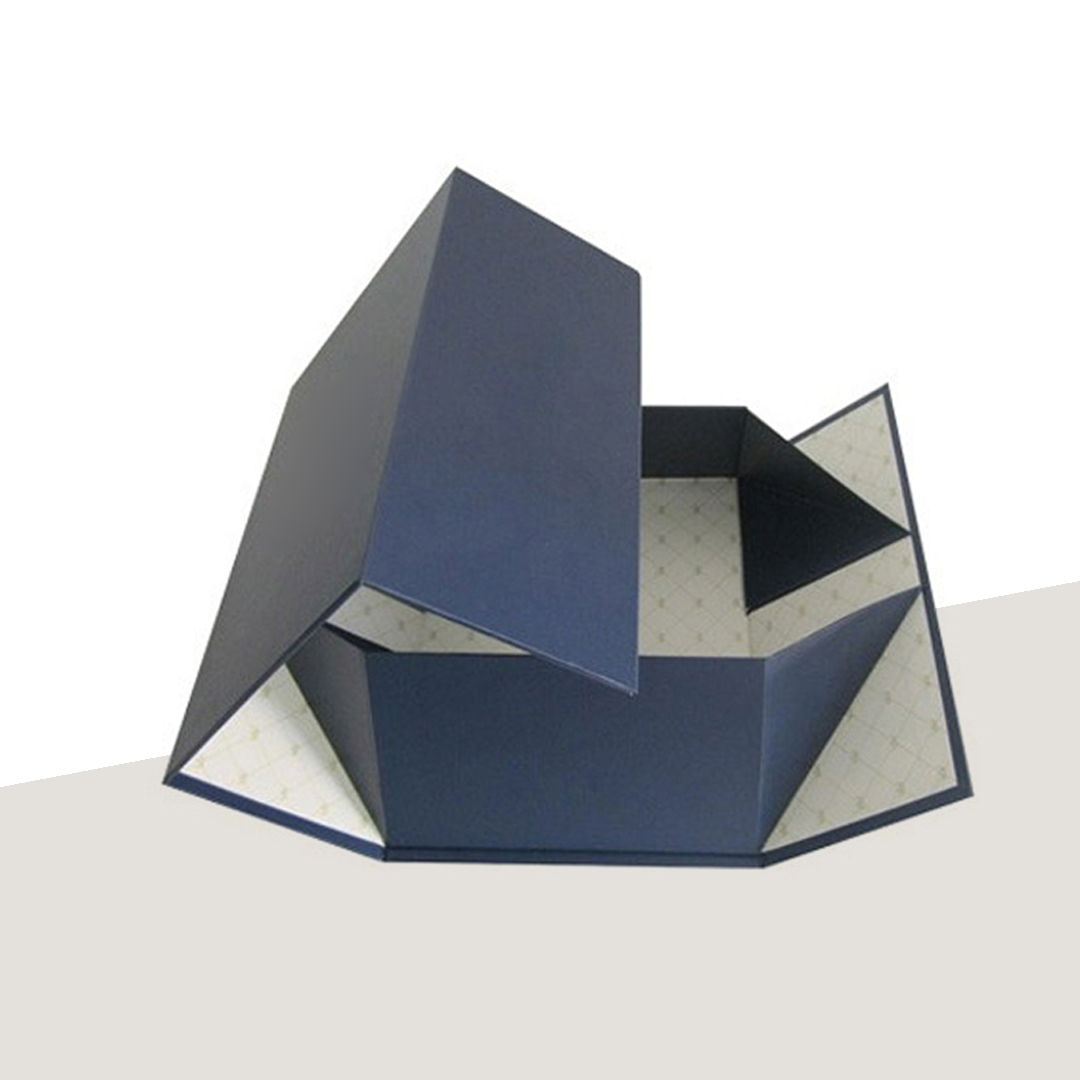
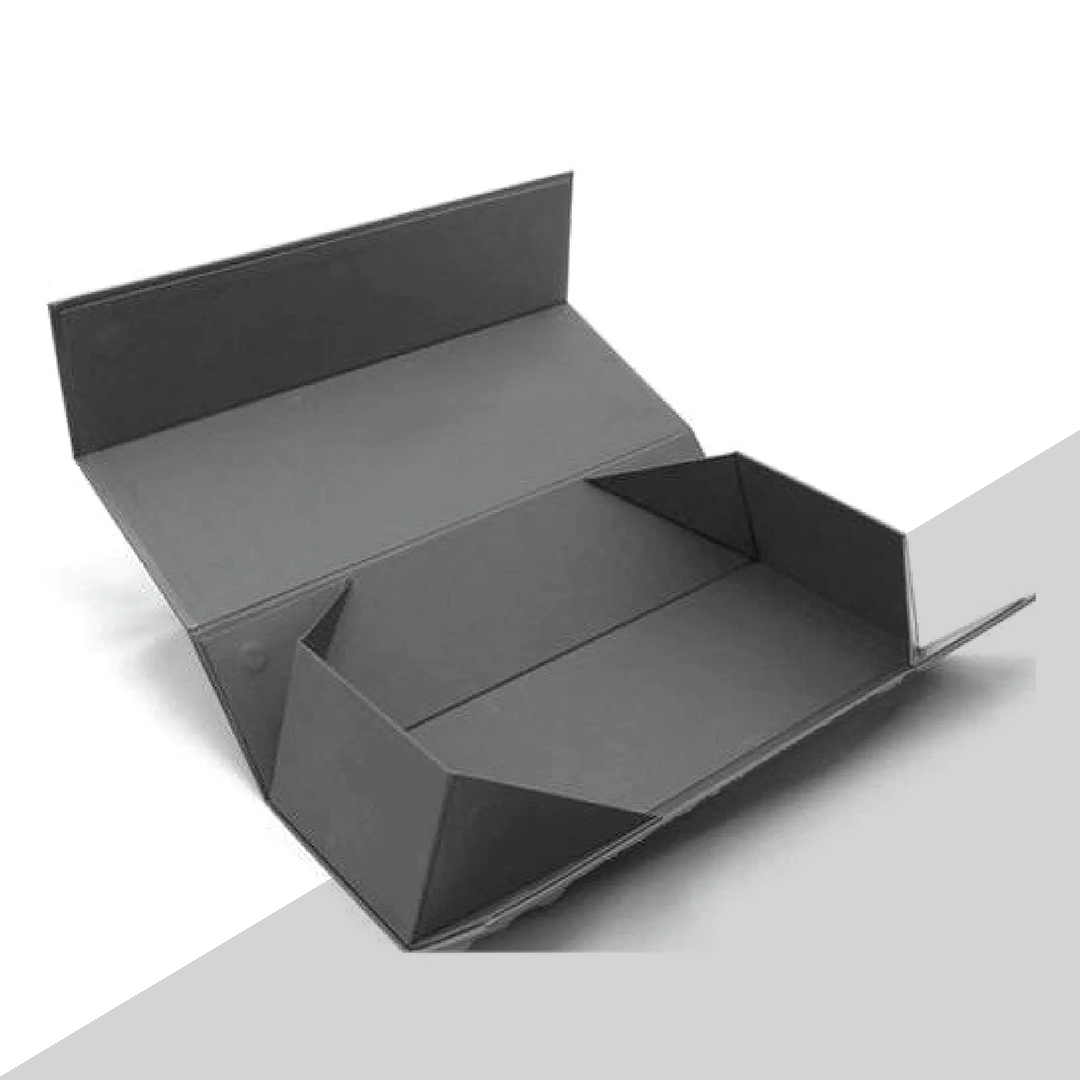
Custom collapsible cardboard packaging gives products a smart home that folds flat when you are done, keeping storage and shipping under control. Many growing brands work with Shop Cardboard Boxes when they want a folding style that arrives flat, pops into shape quickly, and still looks like a neat rigid pack on the shelf. These collapsible units handle retail items, eCommerce parcels, gift sets, clothing, bakery goods, cosmetics, and subscription products without making stockrooms feel crowded. The same structure supports small launch runs and long-term core lines with equal ease.
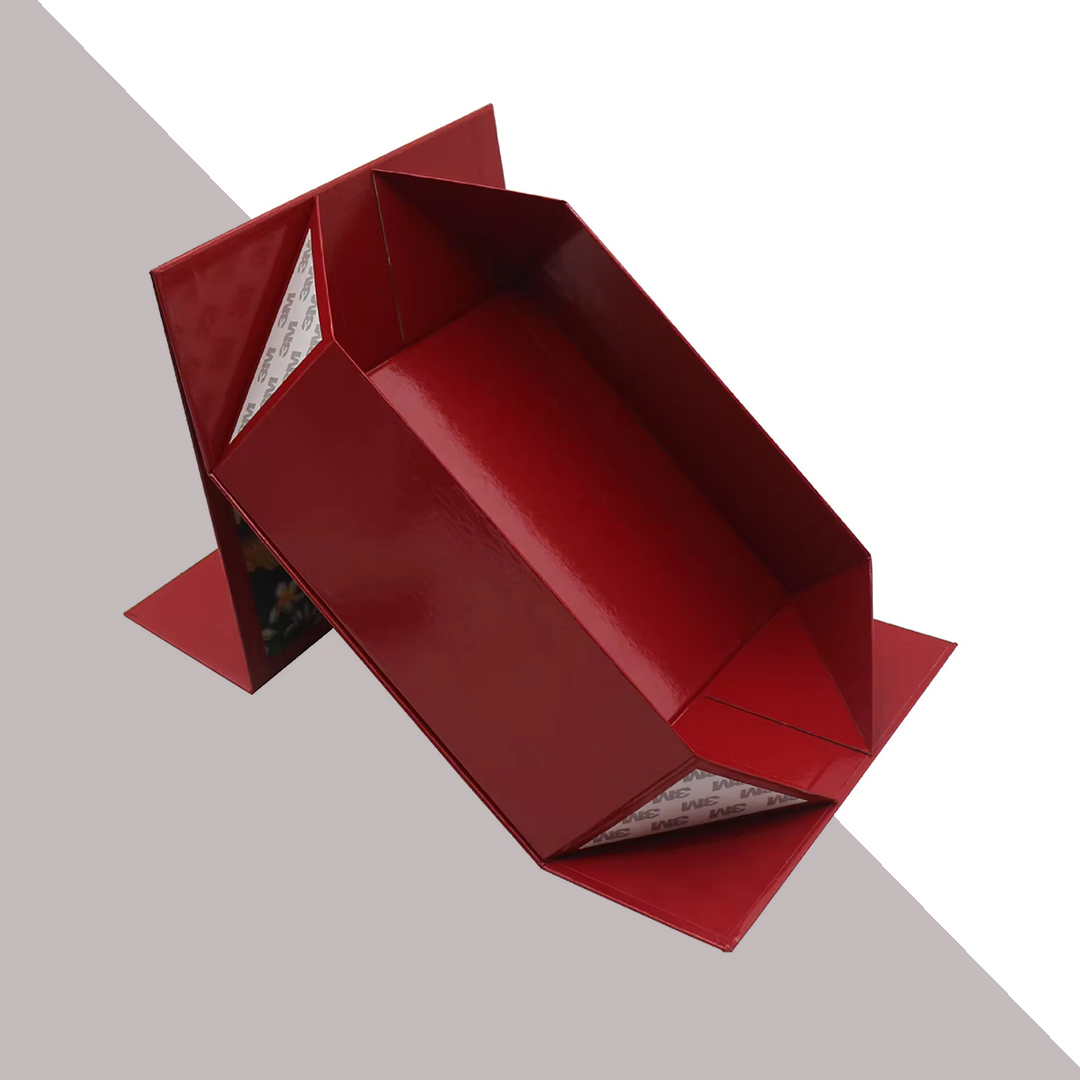
These folding boxes ship flat in dense stacks, then lock into shape in a few moves when packing begins. Strong side panels and clean edges help them behave like rigid cartons once assembled, so customers still see a calm, squared silhouette. Teams can keep different sizes on hand for product sets while only giving up a small amount of storage space. Over time, this balance between flat storage and firm display turns collapsible boxes into a quiet backbone for many packaging plans.
Daily Benefits Of Collapsible Flat Packed Boxes
Collapsible cardboard styles are designed to move smoothly from warehouse shelf to packing bench and then out to retail or delivery. Pre-creased panels and locking corners guide the shape into place, which reduces the risk of clumsy folds or weak edges. Staff can fold units in a consistent rhythm, so even new team members can support busy days without slowing the line. Once formed, the boxes sit squarely and hold their form through normal handling.
For brands, the same structure supports tidy branding panels on lids and sides. Flat surfaces receive print cleanly, which helps logos, taglines, and images stay crisp. Because the boxes behave like rigid packs when filled, they stack well on shelves and in cartons, keeping displays and shipments orderly. The result is a packaging style that respects both operational needs and visual standards, making it easier to keep product lines aligned in stores and parcels.
Practical strengths of collapsible cardboard packaging
- Ships flat to reduce warehouse space and shipping volume
- Assembles quickly with pre-creased folds and locking corners
- Supports lightweight and mid-weight products in many sectors
- Provides smooth outer walls for branding and label zones
- Offers multiple board types for shipping, retail, and gifting roles
- Works across clothing, bakery, cosmetic, and subscription ranges
- Helps teams keep stock levels high without crowding storage areas
- Keeps shelf displays tidy with squared, stable edges
Planning steps for your first folding box run
- List the products and ranges that will share your collapsible format.
- Note rough sizes for each item, including inner wrap and inserts.
- Decide where you need shipping-grade board and where retail board is enough.
- Select main print colours and artwork layouts for lids and side panels.
- Confirm coatings such as gloss, matte, or Spot UV to suit handling conditions.
- Assign one or two closure styles for gifts, retail packs, and online orders.
- Review bulk and repeat order quantities so supply feels steady, not excessive.
- Request flat-packed samples to test folding speed and on-shelf behaviour.
| Feature | Details | Material Options | Finishing Choices | Add-ons & Features | Usage/Application |
|---|---|---|---|---|---|
| Folding design | Ships flat and opens in a few steps | Kraft, corrugated, white board | Gloss, matte, Spot UV | Magnetic lids, window cut-outs | Retail and gift packaging |
| Printing | CMYK and PMS brand artwork | Recycled or premium board stocks | Digital or offset methods | Barcodes, QR codes, serial data | eCommerce parcels and gifting |
| Locking style | Secure folding edges and bases | Corrugated or paperboard grades | Anti-scratch outer layers | Ribbon paths or hidden magnets | Apparel, cosmetics, accessories |
| Durability | Light yet protective construction | Single or double wall builds | Soft-touch or standard coats | Protective lamination options | Subscription and mail-based boxes |
| Quantity | From small runs to bulk supply | Ongoing wholesale availability | Rush-friendly scheduling | Custom printed designs | Startups and established sellers |
| Delivery | Fast production and dispatch | Design support as required | Flat-packed shipping | 3D proofing and previews | Retail and distribution networks |
Space Saving Folding Designs For Busy Warehouses
Flat packed designs help packaging teams keep stock levels healthy without overcrowding storerooms or packing areas. Many procurement teams rely on collapsible cardboard boxes bulk when they need enough units for campaigns, seasonal peaks, or subscription cycles without filling every pallet and shelf. Flat stacks tuck neatly into racking, back corridors, or mezzanine spaces, then move down to benches when needed. This approach supports both small and large operations that want predictable packaging without constant reordering.
Once staff start packing, these designs turn from flat sheets into stable containers in a matter of seconds. Reinforced corners and locking bases support everyday handling, from light clothing to mid-weight product sets. Because the folded shape is guided by scored lines, the finished box looks consistent from one unit to the next. Warehouses, fulfilment centres, and stock rooms benefit from having a single, adaptable format that behaves well in cartons, on shelves, and on pallets.
How flat packed cartons support storage planning
Storage planning becomes simpler when box stacks behave in predictable ways. Flat bundles of collapsible units can be counted, moved, and rotated with minimal effort, making stock checks quicker and less disruptive. Teams can keep popular sizes closer to the packing zone and move slower lines into higher or more distant shelving. When space is tight, the difference between flat-packed and pre-assembled cartons is immediately visible in clear aisles and safer work areas.
These benefits extend to suppliers and logistics partners as well. Shipments of flat collapsible cartons fit more units per load, which leads to fewer deliveries and more efficient freight planning. That makes it easier to align incoming packaging with outgoing orders. When a business grows or adds new products, it can build on the same storage logic instead of rethinking the entire packaging footprint. Over time, this stability in layout supports better planning and smoother daily routines.
Storage and warehouse benefits of folding designs
- Flat bundles make pallet and shelf planning more straightforward
- High unit counts can fit into tight storage zones between busy periods
- Popular sizes stay near benches while slower sizes sit further back
- Stock counts and rotations are easier to track visually and digitally
- Fewer shipments of packaging keep receiving docks less congested
- Clean aisles and clearer floors support safer working conditions
- Shared formats work across multiple products and campaigns
- New products can adopt existing sizes without major layout changes
Operational ideas for smoother warehouse handling
- Assign dedicated rack bays for each core collapsible size.
- Keep the most frequently folded units at waist height for easy access.
- Use colour-coded labels on bundle edges to speed up identification.
- Plan small buffer zones near benches for opened bundles during rush times.
- Record how many flat units fit per pallet to predict restock needs.
- Align packaging deliveries with sales peaks to avoid sudden shortages.
- Use trial weeks to test how many units each packer folds comfortably per hour.
- Review layout annually and adjust rack positions as product mixes change.
| Feature | Details | Material Options | Finishing Choices | Add-ons & Features | Usage/Application |
|---|---|---|---|---|---|
| Flat storage | Dense stacks for limited space | Kraft and corrugated sheets | Natural or coated surfaces | Strap-friendly bundle packing | Warehouses and fulfilment hubs |
| Quick assembly | Guided folds and lock points | Rigid-feel paperboard | Smooth printable faces | Simple glue or no-glue formats | On-demand packing stations |
| Bundle handling | Easy to move in groups | Light yet compact bundles | Recycled content options | Clear bundle labelling | Stockroom and back-of-house areas |
| Shipping gains | More units per shipment | Standard or custom sizes | Protective external wraps | Pallet-optimised packing | Supplier to warehouse routes |
Printed Collapsible Packaging For Clear Branding
Collapsible cardboard styles also give brands a broad canvas to share their identity in everyday shipping and retail environments. Many companies match these folding formats with Rectangle Cardboard Boxes so that display units and shipping cartons carry the same graphic language. Flat printing surfaces handle logos, line art, full-colour images, and product details without awkward curves or interruptions. This makes it easier to keep new product launches visually aligned with long-running core lines.
Because these boxes fold open and then lock into shape, printed panels fall naturally into place on lids, sides, and internal flaps. Brands can keep outer faces focused on recognition while using inner surfaces for care notes, messages, or graphics that greet customers during unboxing. CMYK and PMS printing support both expressive palettes and more restrained tones, depending on the role of each range. The result is a packaging system that communicates clearly without losing the practical benefits of flat storage.
Ways Printed Folding Boxes Share Brand Stories
Printed collapsible packaging acts as a moving backdrop for brand stories wherever products travel. On retail shelves, neat stacks of matching artwork help customers identify a range quickly, even from across the aisle. In eCommerce, parcels arriving in branded folding boxes make a consistent impression at doorsteps, reception desks, and parcel lockers. When graphics stay stable across sizes, customers can recognise a brand whether they are buying a small accessory or a larger main item.
Inside the pack, coordinated print on inner flaps or panels can reinforce that same identity. A short message, pattern, or colour block seen during unboxing helps connect the product with the brand’s wider world. Because the boxes collapse flat before print, artwork alignment is managed at the sheet stage, leading to cleaner outcomes. Over time, this repeated exposure in homes, offices, and shops turns each folding box into a quiet reminder of where the product came from.
Branding benefits of printed collapsible packaging
- Provides wide, smooth panels for logos and product names
- Keeps artwork consistent across multiple sizes and product families
- Supports both full-colour stories and simple, minimal layouts
- Allows internal print to add extra delight during unboxing
- Works for retail shelves, online orders, and promotional events
- Helps new products align visually with existing ranges
- Provides room for regulatory, care, or ingredient text where needed
- Supports campaigns and limited editions without changing core structures
Ideas for planning artwork across folding lines
- Map lid, front, and side panels clearly on your print layout.
- Reserve the most visible faces for brand marks and key images.
- Place product details on side panels where labels also sit.
- Use inner flaps for short messages or subtle patterns.
- Keep barcodes and data zones in consistent locations across sizes.
- Consider one main colour system with small accents for each sub-range.
- Test printed flats and folded samples to confirm alignment.
- Store approved artwork packs so future runs stay visually consistent.
| Feature | Details | Material Options | Finishing Choices | Add-ons & Features | Usage/Application |
|---|---|---|---|---|---|
| Brand artwork | Logos, patterns, campaign themes | White or lightly tinted board | Matte, gloss, Spot UV | Full-panel or partial coverage | Retail packs and launch lines |
| Highlight effects | Emphasis on names or logos | Premium rigid-style boards | Foil, emboss, deboss | Accent borders or icons | Gift packaging and hero products |
| Data zones | Space for barcodes and codes | Kraft, white, or recycled card | Smooth print-friendly face | Numbering and tracking marks | Warehousing and online orders |
| Inner print | Messages and patterned liners | Same board as outer faces | Soft-touch options | Inside lid slogans or textures | Subscriptions and special editions |
Ordering Collapsible Boxes And Size Selection
All folding formats work best when sizes are carefully planned around real products and their journeys. Many buyers look at Cardboard Boxes by Size and Shape when they want collapsible styles to sit neatly alongside other shipping or display formats. By matching folding units to existing size families, a brand can maintain consistent footprints on shelves, in mailers, and inside outer cartons. This helps teams avoid awkward gaps, wasted space, and unstable stacks throughout the supply chain.
Size selection usually starts with a list of products and their protective needs. Measurements include the item itself plus any inner wrapping, tissue, or inserts that support presentation. From there, ranges can be grouped into small, medium, and larger footprints, each with an appropriate depth. The same outline can often serve several SKUs, keeping tooling and ordering simpler. As ranges evolve, new items can slot into these existing size groups rather than forcing a fresh round of layouts each time.
Planning Quantities And Dimensions For Each Range
Quantities and dimensions go hand in hand when deciding how many collapsible units to hold at once. Smaller items with high sales volumes may need larger stocks of certain footprints, while slower, premium lines can rely on modest counts of special sizes. By linking order quantities to realistic forecasts, teams can avoid both shortage stress and storage overload. Flat storage means that even healthy buffer levels do not overwhelm the warehouse.
Packaging plans often improve when box sizes reflect not just product fit but also shipping and retail realities. A footprint that nests cleanly in standard mailers and cartons simplifies outbound logistics. A height that lines up with display shelves makes in-store presentation easier to maintain. When brands think in terms of families of sizes, they can support both everyday orders and seasonal peaks without constant redesign.
Practical tips for size selection and ordering cycles
- Group products by similar footprint and depth needs before specifying sizes
- Reuse outlines across ranges when weight and protection needs allow
- Consider how many units per size fit into standard outer cartons
- Align heights with common shelf dimensions in target retail environments
- Keep a small set of special sizes for promotions or gift editions
- Match material strength to the heaviest product planned for each footprint
- Review size families yearly to reflect changes in product range
- Keep clear records of what worked well in past campaigns and launches
Steps for aligning packaging with product and shipping flows
- Measure sample items from each range including protective wrapping.
- Define a primary size family for core products and a smaller one for specials.
- Check how many folded boxes in each size fit into key outer cartons.
- Map which sizes will appear most often in online and retail orders.
- Decide how many months of supply to hold in flat-packed stock.
- Build in time for design, proofing, and production before major campaigns.
- Update artwork and quantities together so nothing lags behind demand.
- Review performance after each season and adjust size plans where needed.
| Feature | Details | Material Options | Finishing Choices | Add-ons & Features | Usage/Application |
|---|---|---|---|---|---|
| Core sizes | Small, medium, and larger footprints | Kraft, corrugated, white board | Protective or display-led coats | Standard locking systems | Everyday retail and online ranges |
| Special runs | Seasonal or limited-edition sizes | Premium or textured boards | Highlight finishes where needed | Gift-ready closures | Campaigns and themed collections |
| Strength levels | Board weight matched to product | Single or double wall builds | Coatings tuned to handling | Extra corner supports | Heavier or fragile items |
| Stock planning | Quantities set by sales rhythm | Mixed material portfolios | Finish balance by range role | Clear pack counts per bundle | Regular orders and restock cycles |